The Tender Dynamics of a Leopard Family in Bandipur Karnataka

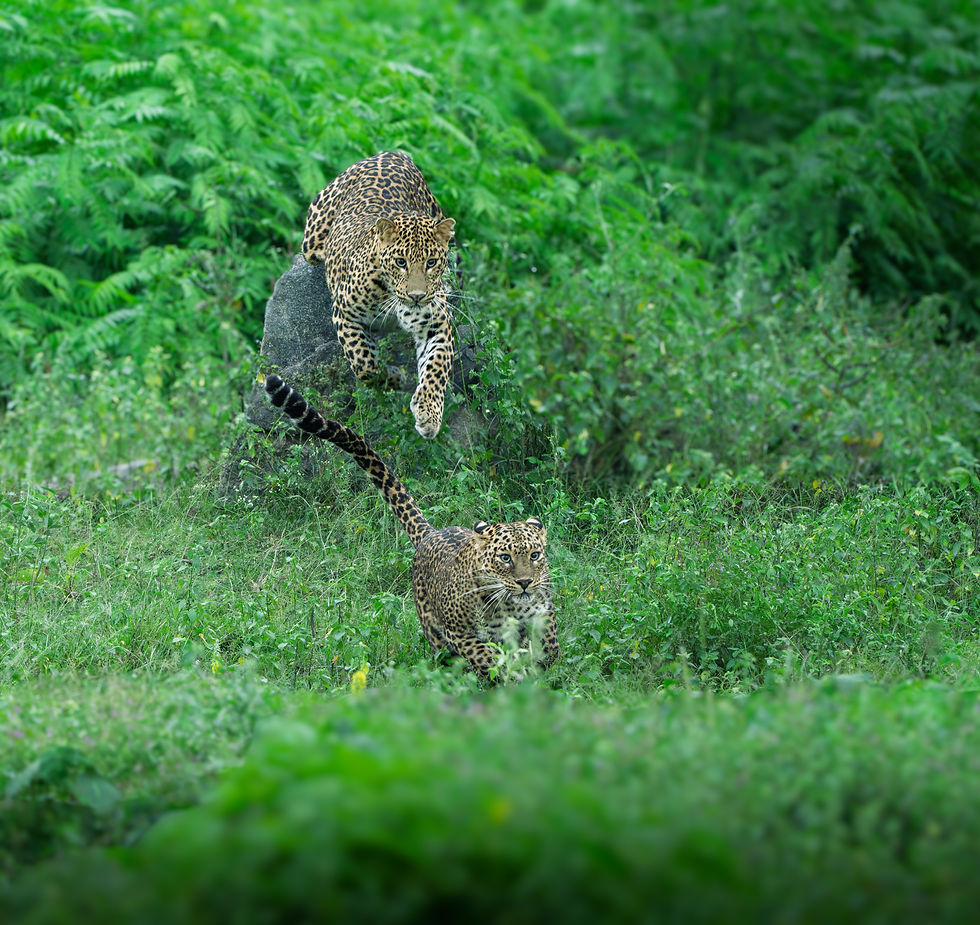
Deep in the forests of Bandipur, Karnataka, a unique scene unfolds that reveals the intimate side of one of India’s most elusive predators. A subadult leopard playfully pounces on its mother, a moment that blends affection with instinct. This interaction is more than just play; it is a vital lesson in survival. The mother at that time was caring simultaneously for a subadult and a cub. The mothers role is to guide her young ones through the early stages of life, teaching them strength, reflexes, and hunting skills essential for their future independence.
The Role of Play in Leopard Development
Play among young leopards is often mistaken for mere fun, but it serves a critical purpose. The subadult’s playful pounces are exercises in agility and coordination. These moments sharpen reflexes and build muscle strength, preparing the young cat for the challenges of hunting and defending territory.
The mother’s patient responses during these interactions show a balance of nurturing and discipline. She allows the subadult to test boundaries while ensuring safety. This dynamic teaches the young leopard how to read social cues and develop confidence in its abilities.
Caring for Two Generations at Once
The mother leopard’s responsibility extends beyond the subadult to a vulnerable cub. Managing the needs of both requires skill and energy. The cub depends entirely on her for nourishment and protection, while the subadult benefits from continued guidance and encouragement to explore.
This dual care highlights the mother’s role as a teacher and protector. She must balance the cub’s fragility with the subadult’s growing independence. Observing her behavior reveals how she prioritizes feeding, grooming, and teaching, adapting her approach as her offspring mature.

Lessons in Survival Through Interaction
The playful tussles between mother and subadult are practical lessons in survival. Each movement teaches the young leopard how to stalk, pounce, and react quickly. These skills are essential for hunting prey and avoiding danger in the wild.
The mother’s presence provides a safe environment for these lessons. She models behaviors that the young ones imitate, such as stalking silently or retreating when threatened. This hands-on learning is crucial because leopards are solitary hunters, and young leopards must master these skills early.
The Importance of Bandipur’s Forest Habitat
Bandipur’s dense forests offer a perfect backdrop for these family dynamics. The rich biodiversity supports a healthy prey base, allowing the mother leopard to teach hunting techniques effectively. The forest’s cover also provides protection from larger predators and human disturbances.
This environment shapes the leopards’ behavior and survival strategies. The mother’s ability to navigate this terrain while caring for her young is a testament to her adaptability and strength.
What This Means for Leopard Conservation
Understanding the tender dynamics within leopard families helps conservationists appreciate the species’ complex social and survival needs. Protecting habitats like Bandipur ensures that mother leopards can raise their young successfully, maintaining healthy populations.
Conservation efforts must focus on preserving these natural environments and minimizing human-wildlife conflict. Supporting local communities and promoting awareness about leopard behavior can foster coexistence and protect these majestic animals. Author & Photographer
Shruti Deshpande


Comments